
Movement and Learning – Why Physical Activity Enhances Children’s Learning
By Ole Henrik Hansen, PhD in Didactics, Professor of Education
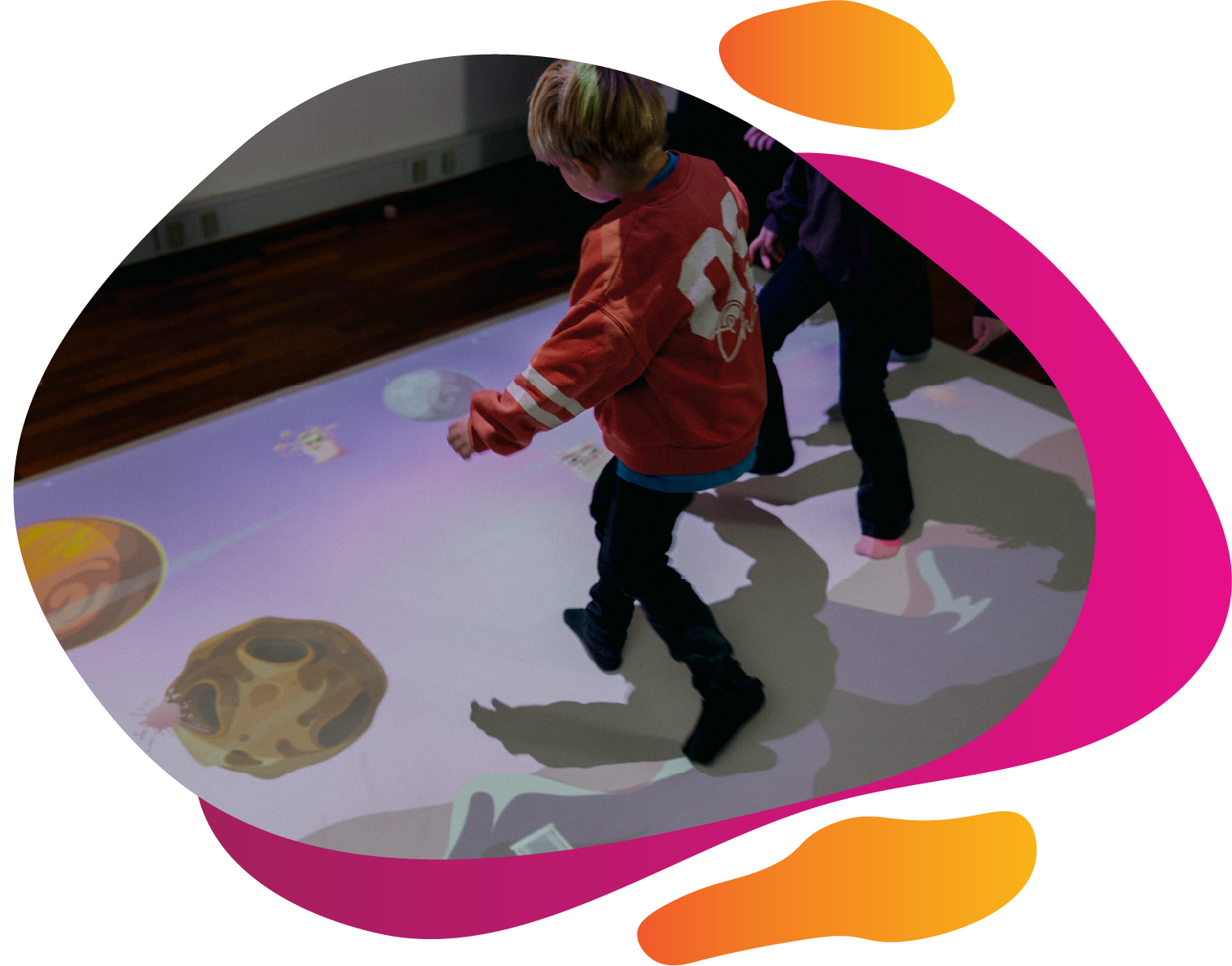
Research shows a link between movement and learning
The traditional notion that learning occurs best when students remain seated and still is increasingly being challenged. Research within neurology, physiology, and education suggests that learning and movement are often closely connected.
How movement affects the brain and learning
When children engage in physical activity, blood circulation throughout the body increases, including to the brain. This supplies additional oxygen and glucose, which are the brain’s primary sources of energy. This physiological activation is believed to act as fuel for the cognitive processes associated with learning. At the same time, neurotransmitters such as dopamine, serotonin, and noradrenaline may be released.
When the body is activated, there is potential to support motivation, concentration, and the ability to acquire new knowledge.
At ActiveFloor, we work with this potential connection between active learning, digital learning, and physical movement. Research provides a scientific foundation for why these approaches can be effective.
Dopamine is often associated with motivation and reward, while noradrenaline may help sharpen attention. Movement can therefore contribute to creating favourable chemical conditions for focus and engagement in the classroom.
BDNF: Possible “fertiliser” for the brain
Within neuroscience, the substance BDNF (Brain-Derived Neurotrophic Factor) is frequently highlighted. The American researcher John Ratey has described it as a form of “fertiliser for the brain.” Activities that raise the heart rate appear to stimulate the production of BDNF, which is believed to help maintain existing brain cells and promote the formation of new neural connections.
Movement may increase the brain’s plasticity and support neural networks. Learning and memory depend on the strength of these networks, and research suggests that an active brain is better equipped to absorb new knowledge.
For example, Charles Hillman has observed increased neural activity through brain scans after 20 minutes of walking compared to sedentary behaviour. This indicates that movement can beneficially be considered as a supportive component of the learning process.
Active learning and executive functions
he cerebellum, which plays a central role in motor control, is connected to the frontal lobes, where executive functions are generally believed to be located. The hypothesis is that when students are challenged motorically, it may indirectly stimulate their ability to plan, maintain concentration, and inhibit impulses.
An example is the exercise The Opposite World, where students must do the opposite of a given instruction. This activity targets inhibitory control—the ability to suppress an automatic response in favour of a rule-based action.
Educational efforts using such exercises aim to support:
- Increased attention
- Enhanced cognitive flexibility
- Improved self-regulation and metacognition
These competencies are often considered essential for both academic performance and well-being in the classroom.
Embodied learning and representations
From a learning theory perspective, the concept of embodied learning is central. The theory suggests that when knowledge is heard, seen, and physically experienced, multiple memory traces may be formed. If a student only hears about a mathematical angle, one primary trace is created. However, if the student forms the angle using their body, additional motor and kinaesthetic traces may also be established.
Inspired by Dual Coding Theory, it is assumed that multiple representations increase the likelihood that information will be retained over time. At the same time, movement can function as a regulator of arousal (alertness). Short “brain breaks” or walk-and-talk activities can help restore attention or reduce restlessness in demanding situations.
The Danish Council for Prevention (2016) concludes that there is evidence that physical activity can improve cognitive function in children and young people.
Movement as Social and Cognitive Support
From a contemporary scientific perspective, the sharp distinction between body and mind is increasingly being challenged. Movement can be understood as more than mere physiological activation—it can also function as a social and didactic tool.
Drawing on the theories of Lev Vygotsky, learning is often seen as something that emerges within a social context. In this framework, movement-based activities can act as mediators. When abstract concepts are translated into physical actions, this may, in some cases, reduce cognitive load, allowing the body to serve as a scaffold for understanding.
Beyond the underlying biochemical processes, many students are also motivated by the experience of mastery itself. This can contribute to a positive cycle in which well-being, social connectedness, and academic development have the potential to reinforce one another.
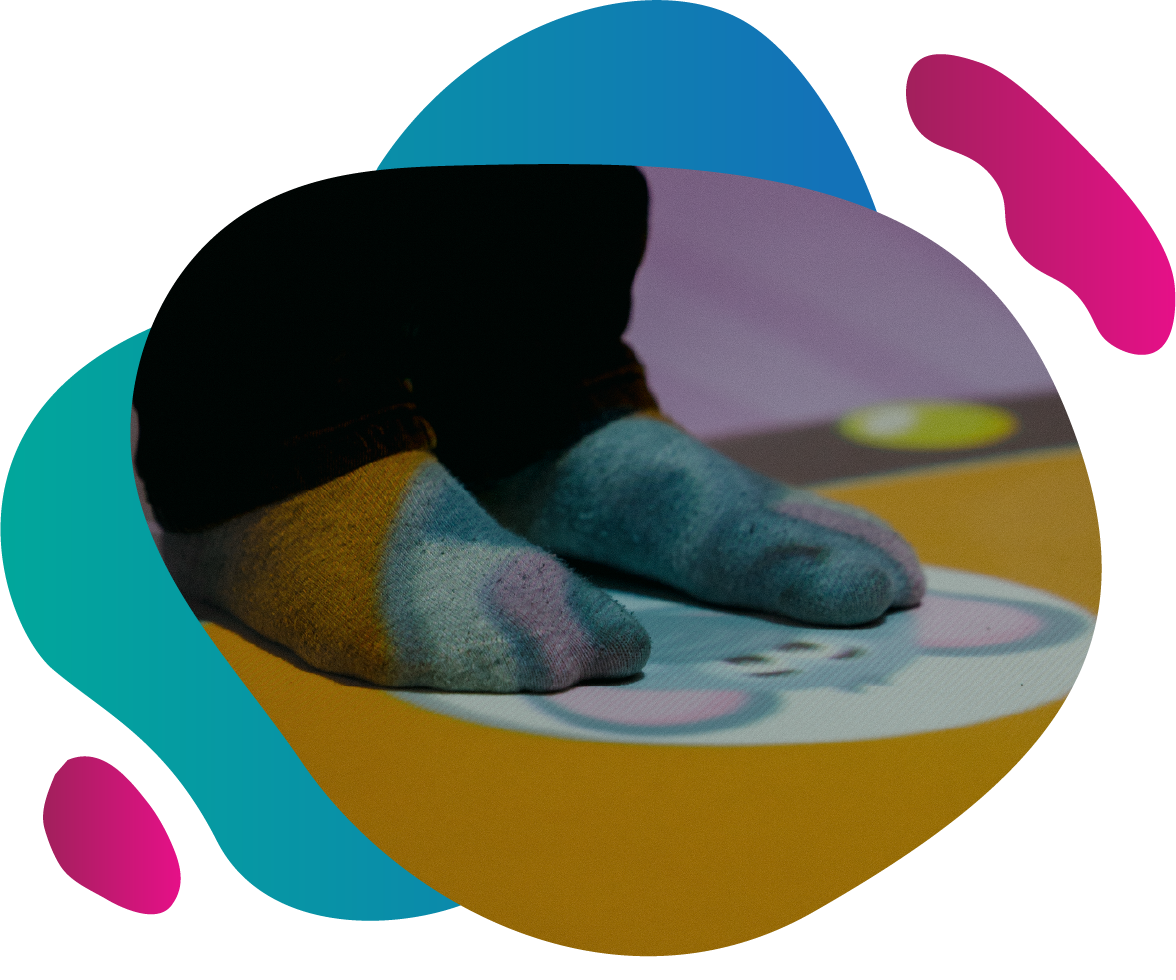
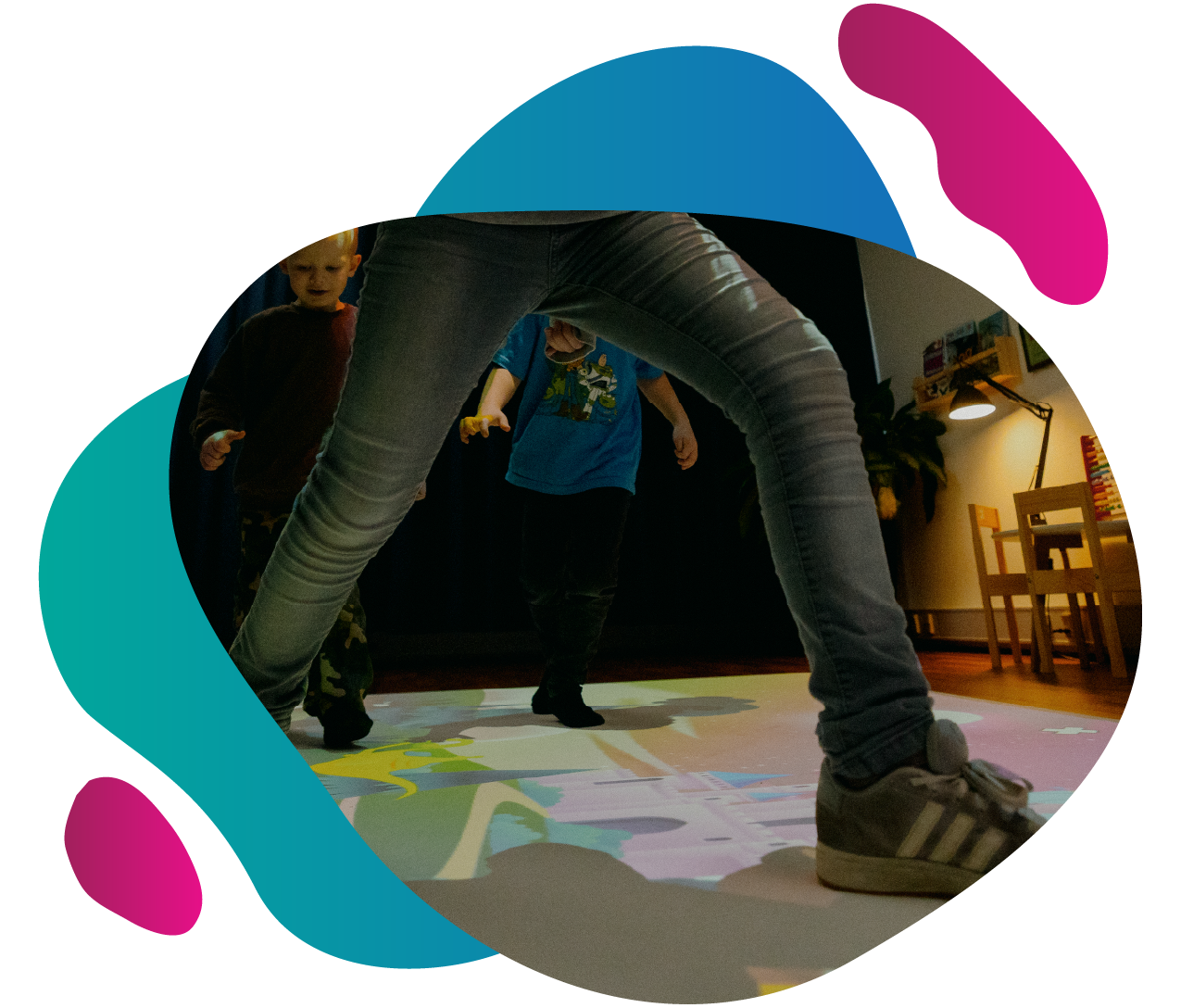
Digital Learning and Movement – A Didactic Choice
When digital learning is combined with physical activity, the aim is to unite the possibilities of technology with the inherent potential of the body. In this approach, active learning is integrated into teaching as a core element rather than being treated as a supplement or a break from academic work. It can serve as a strategy designed to support concentration, memory, and motivation.
As Ole Henrik Hansen points out: “By activating the body, we not only create healthier children, but also better conditions for the learning that schools are designed to facilitate.” This perspective is grounded in the understanding that the body and brain work together as part of the learning process.
Ready for your
own success
story?
Do you have questions, need sparring, or simply want to hear how our interactive learning universe can make a difference for you?
Write to us – we’re always up for a conversation that sparks new ideas.
You won’t be filling out a form that disappears into cyberspace – we respond quickly and personally.
Address:
Helgeshøj Allé 28
2630 Taastrup
Contact & Support:
hello@activefloor.com
+45 31 700 729